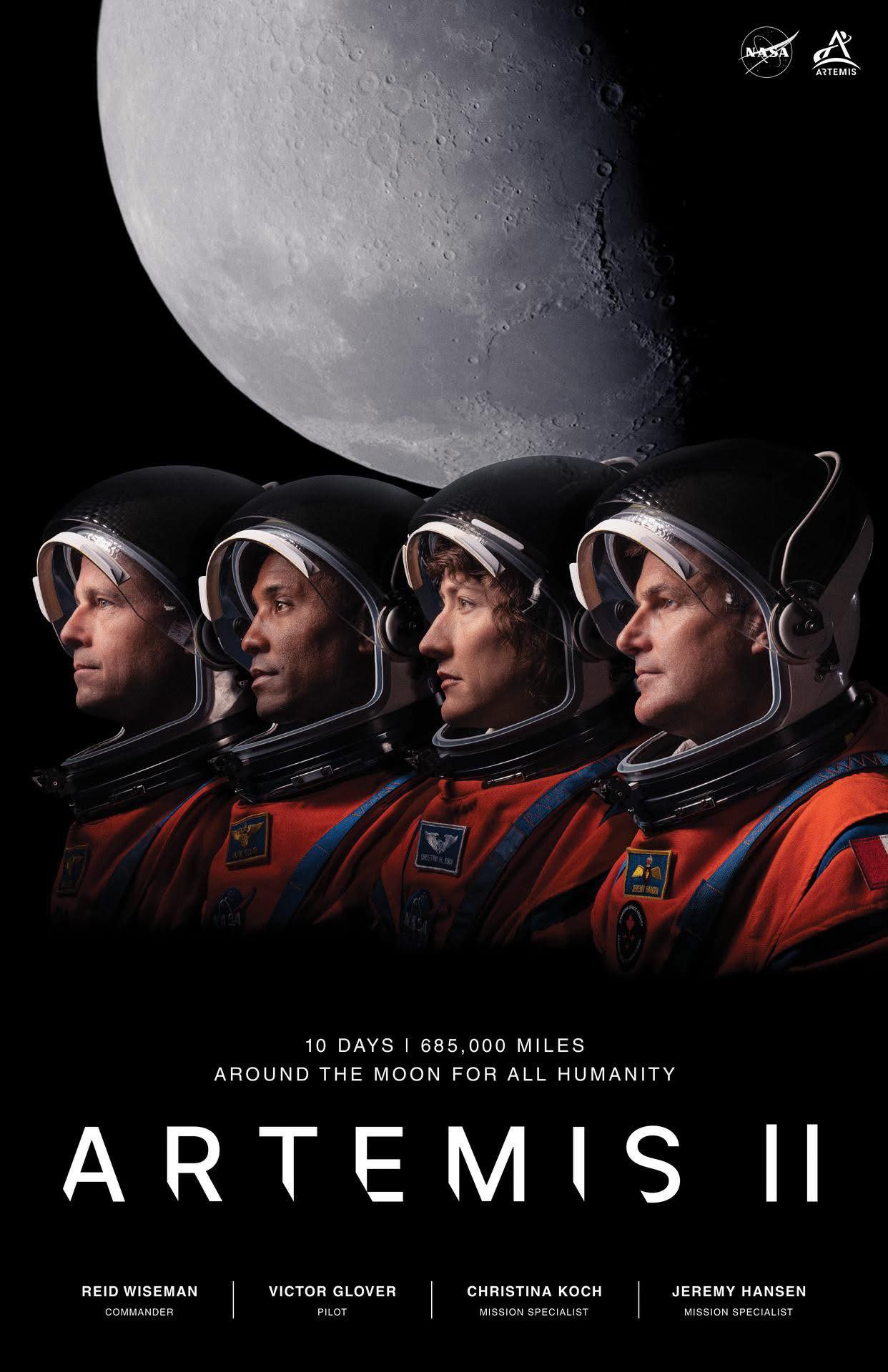
The Artemis missions are not the end goal. They are the practice run for eventual missions to Mars, which would take three years or more. At that scale, the food problem becomes even more pressing. Mars missions will require food that remains safe, nutritious, and palatable for at least five years in storage, and no current technology reliably achieves all three at once.
Researchers are working on several fronts. New preservation techniques, smarter packaging, and the development of functional foods- foods engineered to actively support health rather than just provide energy- are all in progress. Growing food directly on spacecraft and on the lunar surface is also being actively studied, with the goal of giving future crews access to genuinely fresh produce rather than relying entirely on what was packed on Earth years earlier.
None of these solutions is fully ready yet. But the direction is clear, and the urgency is real.
The answer to the question I found myself asking as that capsule hit the water is simpler than all the science behind it: food in space tastes like a muted, flat version of itself, processed before launch and then met by a body that can barely smell. The hot sauce is not optional. The craving for fresh food is not a preference. They are the entirely human responses of people living in a place the human body was never designed to be, doing extraordinary things, and quietly longing for a meal that tastes like something.